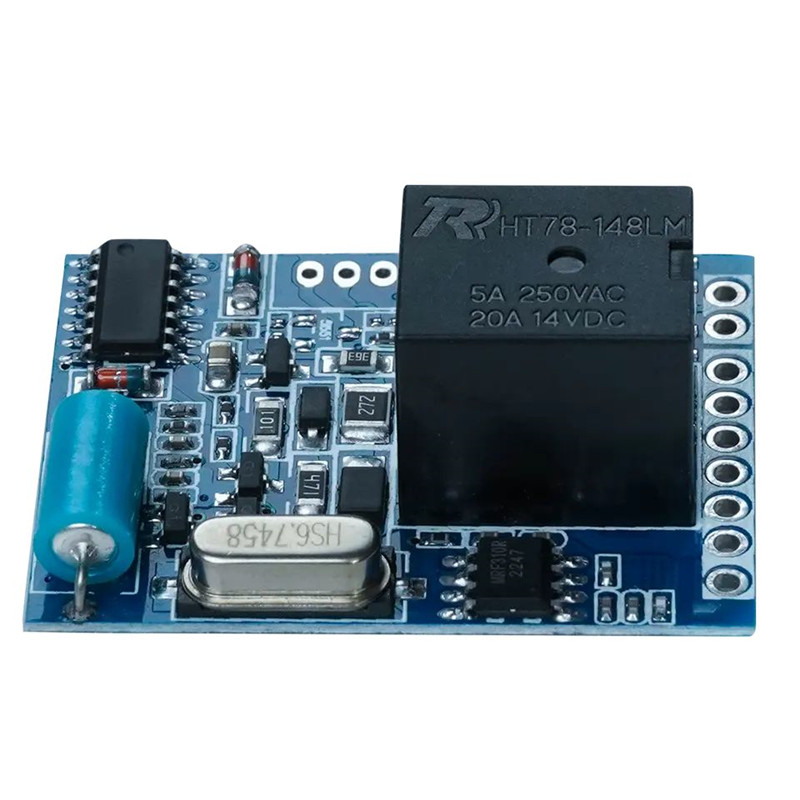
Automated PCB Assembly Revolutionizing Electronics ManufacturingIn today's fast-paced technological age, the demand for smaller, faster, and more efficient electronic devices is at an all-time high. As a result, the electronics manufacturing industry is constantly seeking innovative ways to streamline production processes while maintaining high-quality standards. One such innovation that has revolutionized the PCB (Printed Circuit Board) assembly process is automated assembly technology.Automated PCB assembly, also known as robotic assembly, refers to the use of advanced machinery and equipment to automate the process of placing electronic components onto PCBs. This technology has significantly increased the speed and accuracy of PCB assembly, leading to higher productivity and cost-effectiveness for electronics manufacturers.One of the leading companies at the forefront of automated PCB assembly technology is {}. With a strong focus on research and development, {} has been a pioneer in developing cutting-edge automated assembly solutions that cater to the diverse needs of the electronics industry.The company's automated PCB assembly systems are equipped with state-of-the-art robotic arms, high-precision placement machines, and advanced vision systems that ensure precise component placement and soldering. These systems are designed to handle a wide range of component types, including surface-mount devices (SMDs), through-hole components, and fine-pitch parts, making them versatile and adaptable to different PCB assembly requirements.By harnessing the power of automation, {} has been able to significantly reduce the time and labor required for PCB assembly, leading to faster production cycles and shorter time-to-market for their clients' electronic products. In addition, the company's automated assembly systems are capable of detecting and correcting errors in real-time, thereby minimizing the risk of defects and ensuring higher quality standards.One of the key advantages of automated PCB assembly is its ability to handle complex designs and high component densities with ease. Traditional manual assembly processes are often prone to errors and inconsistencies, especially when dealing with intricate PCB layouts and densely populated boards. However, automated assembly technology can handle even the most intricate designs with precision and efficiency, resulting in higher yields and lower rework rates.Furthermore, automated PCB assembly systems are designed to be highly flexible and scalable, allowing manufacturers to easily adapt to changes in production volumes and product designs. This level of flexibility is crucial in today's dynamic market, where consumer demands and technological advancements are constantly evolving.In addition to its technological capabilities, {} also prides itself on providing comprehensive support and training services to its clients. The company's team of experts work closely with electronics manufacturers to understand their specific needs and develop customized solutions that maximize the benefits of automated assembly technology.Automated PCB assembly technology has undoubtedly transformed the electronics manufacturing landscape, offering a level of speed, precision, and efficiency that was previously unattainable through manual assembly methods. With companies like {} at the forefront of this technological revolution, the future of electronics manufacturing looks set to be defined by automation and innovation.As the demand for smaller, faster, and more advanced electronic devices continues to grow, automated PCB assembly technology will play a crucial role in enabling manufacturers to meet these demands while maintaining high-quality standards. With its commitment to research, development, and customer satisfaction, {} is poised to lead the way in this exciting era of electronics manufacturing.
Read More